Buggy Running – Everything You Need to Know Before Running With a Baby
Running is often one of the easiest ways to stay fit. You can simply grab your sports bra put on your trainers and head out of the door whenever it suits you.
Once you have a baby though, getting out for a run can suddenly feel much harder.
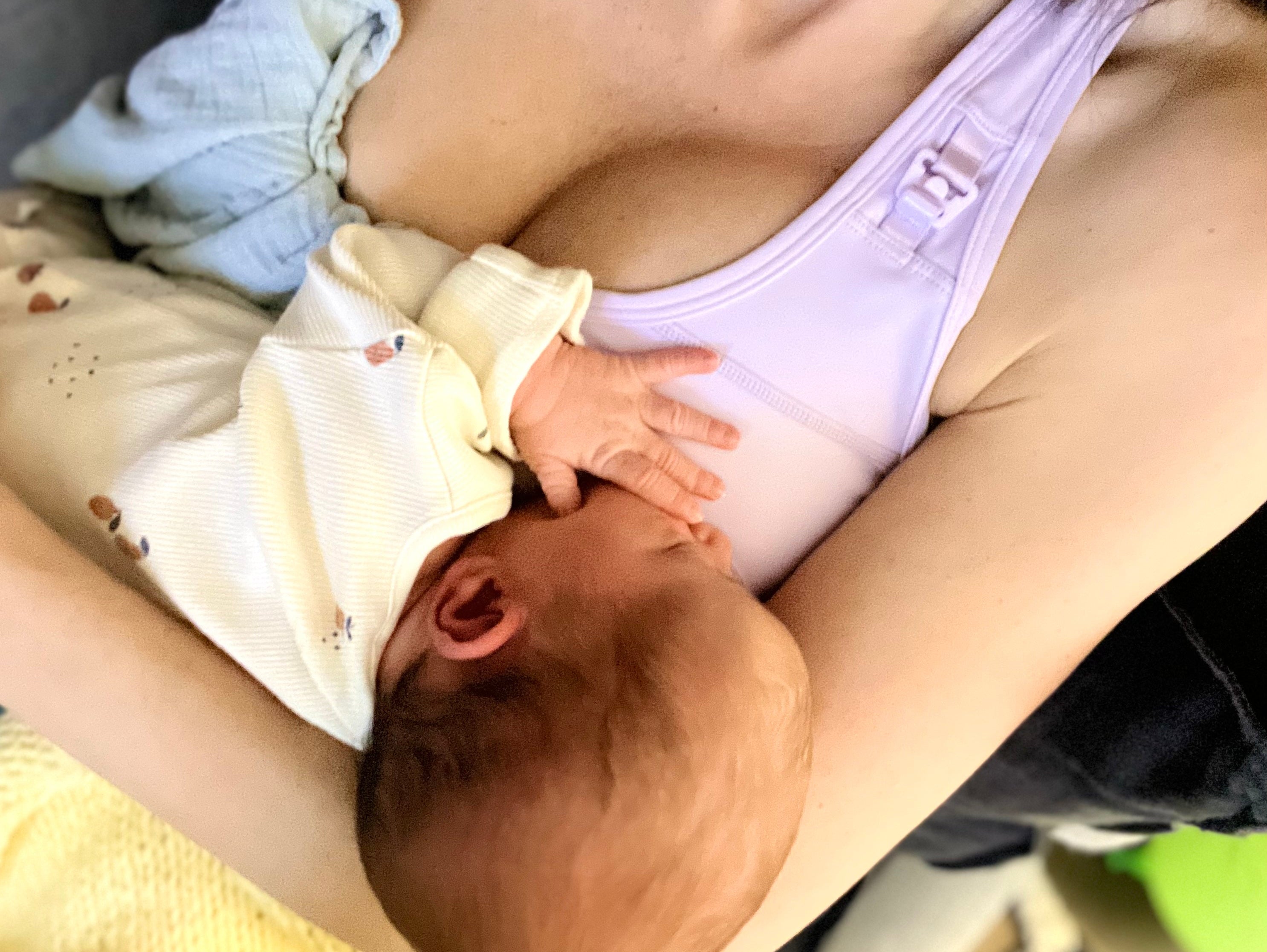
Your baby might be breastfeeding. They might want to be with you constantly. Or you might simply feel guilty leaving them at home (even if you know you shouldn’t but we all know that mum-guilt is real).
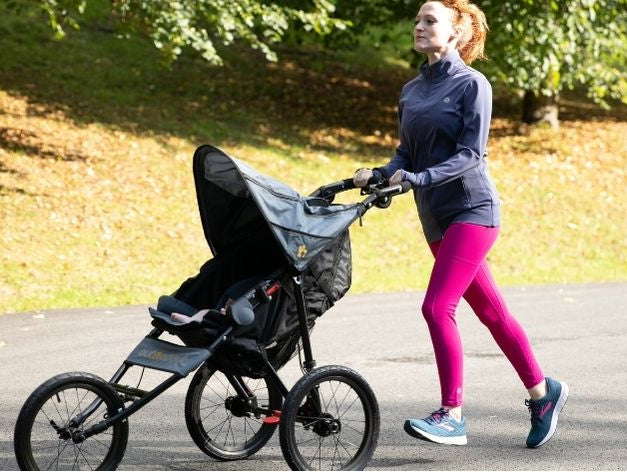
Buggy running is a brilliant solution. It allows you to keep running while spending time with your baby. It also turns your workout into something you can share together.
Running with a buggy gives your baby fresh air, often helps them nap, and allows them to see the world around them as they grow. For many mums it becomes one of the easiest ways to fit exercise back into life after pregnancy.
As someone who ran thousands of miles with a buggy, Natal Active founder Claire Gleave shares the most important things to know before you start running with a stroller.
When Can You Start Buggy Running After Having a Baby?
You should wait before starting buggy running, for both your recovery and your baby’s safety.
The Return to Running Guidelines for Postnatal Women recommend waiting around 12 weeks after birth before beginning to rebuild your running fitness. Pregnancy and childbirth place huge strain on the body, particularly on the pelvic floor and core, so giving your body time to recover is essential.
Ideally, spend a few weeks rebuilding your running first before adding the extra effort of pushing a buggy. A gradual programme such as Couch to 5K can be a great way to rebuild confidence and fitness.
For your baby, most experts recommend waiting until they are around six months old before running with them in a pushchair. By this stage they usually have stronger head and neck control, which is important as even the best running buggy will involve some movement.
If your baby is uncomfortable, you will know very quickly.
Do You Need a Special Buggy for Running?
Yes unfortunately you do. A proper running buggy (also called a jogging stroller) is important for safety and comfort. Standard pushchairs are not designed for the speed, impact and stability required when running.
A good running buggy should have:
-
Three wheels for stability
-
A lockable front wheel
-
Air-filled tyres to absorb impact
-
Proper suspension
-
A hand brake for downhill control
-
A five-point harness for your baby
These features help keep your baby comfortable and make the buggy easier for you to push without damaging your running posture. Brands such as Thule and Out and About do great running buggies but if you cant afford to invest in something new, check out ebay and Facebook marketplace for great second hand deals.

Why Should You Lock the Front Wheel When Buggy Running?
It is really important to always lock the front wheel before you start running with your baby.
A fixed front wheel makes the buggy much more stable. If the wheel is unlocked and hits a stone or pothole, the buggy can suddenly twist or wobble and, worst case, tip over.
Turning corners takes a little practice because you need to tilt the buggy slightly onto its back wheels to turn, but the extra stability makes it far safer when running.
Can You Run With a Car Seat on a Buggy?
No. You should never run with a car seat attached to a buggy.
Car seats sit higher than the normal buggy seat and change the centre of gravity. This makes the buggy far more likely to tip over while running.
Even though the car seat has a five-point harness, it is not designed for the movement and forces created during running.
Should You Use the Wrist Strap When Running With a Buggy?
ALWAYS use a wrist strap. This strap connects the buggy to your wrist so that if you trip or lose control, the buggy cannot roll away from you.
This is especially important on hills or near roads. The strap ensures your baby cannot move anywhere without you.
It also gives you the confidence to push the buggy with one hand while using your other arm for balance and running rhythm.
How Do You Choose a Good Buggy Running Route?
Your route will depend on where you live, but a few things make buggy running easier:
-
Smooth paths or pavements make for easier pushing and a smoother ride for your baby
-
Parks or quiet paths away from traffic for obvious reasons - always go for safety first
-
Pick wide paths so you can pass pedestrians safely and easily.
-
Avoid narrow country lanes where cars may pass quickly
Many runners find that large parks or dedicated running paths work best - they also give you easier opportunities to stop if you need to attend to your baby.
How fast should you run with a buggy?
It is best to start slowly when you first begin buggy running - focus on easy effort running rather than pace. You will almosty certainly find you naturally run slower when pushing a buggy, especially on hills and it will take time to get used to steering, dealing with your baby as well as the increased effort.
Over time your body will adapt and pushing the buggy will begin to feel more natural and you probably feel more comfortable to go faster.
What Should You Carry When Buggy Running?
Because running buggies use air-filled tyres, punctures can occasionally happen, so it is worth keeping a small puncture repair kit permanently in the buggy so you are never caught out miles from home. Knowing how to quickly fix a puncture can save a long walk back!
Also keep any things you need for your baby in the basket underneath, whether that is snacks and toys for older babies, clean nappies, baby wipes etc. Also buy a cup holder for your own drink - it's so much easier! Lastly get a bell - you will be surprised as you pick up the pace how many people aren’t aware of you coming.
How Should I Dress My Baby for Buggy Running?
When you are running, your body warms up quickly but it’s important to remember that your baby is sitting still so they will need more layers than you do, particularly in cooler weather.
A good option for cooler days is a footmuff or sheepskin liner, which keeps babies warm without needing lots of bulky layers. Get one that can be partially unzipped if the temperature rises.
On sunny days, remember:
-
A hat or cap
-
Sunscreen
-
Shade from the buggy canopy
Baby sunglasses can also be great for older babies.
Can Buggy Running Help Babies Nap?
Yes, buggy running often helps babies fall asleep! The combination of fresh air, gentle movement and the rhythm of running can send many babies straight to sleep.
If this works for you, take the opportunity to enjoy some quiet time with a podcast or music while getting your run done - it may the only chance you get in the thick of a busy day!
Is buggy running harder than normal running?
Yes, buggy running is definitely harder than running without a stroller. Pushing the extra weight of the buggy and your baby increases resistance and changes your running posture, so you may well find your pace is 30–60 seconds slower per mile, especially if you live in a hilly area.
However, this also means buggy running is an excellent workout, helping build strength and endurance. Plus as your baby grows you continue to add extra weight too. You will likely find it has a really positive impact on your non-buggy running pace.
Is buggy running safe for babies?
Buggy running can be safe if done correctly with the right equipment.
Key safety tips include:
-
Wait until your baby has good head and neck control (usually around 6 months)
-
Use a proper running buggy
-
Lock the front wheel before running
-
Always use the wrist safety strap
-
Ensure your baby is secure in the harness
If your baby seems uncomfortable or unsettled, it is best to slow down or stop.
How Do You Keep Older Babies Happy During Buggy Runs?
As babies grow, they often become more interested in the world around them and less interested in sleeping.
On those days, a few simple tricks can help:
-
Snacks
-
Singing songs or nursery rhymes
-
Pointing out things along the route
-
Their favourite cartoons on a device
Sometimes the goal is simply getting the run done, never feel guilty about doing what you need to to entertain your baby for a short time while you do it.
Can you run parkrun or races with a buggy?
Yes, lots of runners take part in parkrun and road races with a running buggy, but the rules vary depending on the event organiser.
parkrun currently allows running with a buggy, as long as it is a single buggy (not double width) and you start carefully so you don’t obstruct other runners. Because parkruns are free community events on shared paths, buggy runners are asked to position themselves sensibly at the start and be mindful of other participants.
For organised races, policies differ. Some races welcome buggy runners, while others dn't oallow them for safety reasons, particularly on narrow routes or large mass-start events. Always check the race organiser’s rules before entering.
If you do run an event with a buggy, a few things help make it smoother:
-
Start towards the back of the field to avoid congestion
-
Use a proper running buggy with the front wheel locked
-
Be extra aware of runners passing or slowing ahead - especially as you can easily catch ankles of other runners with the longer buggy
-
Allow a little extra space on corners and descents
-
Use a bell when passing other runners
If you can do it, running races with a buggy is great fun - you'll often find that the crowd support is often even louder when people spot a baby passenger enjoying the ride!
Final Thoughts on Buggy Running
Buggy running will never be exactly the same as running alone.
Some days your baby will sleep peacefully while you clock up miles. Other days you may only get ten minutes before needing to turn back.
Both are completely normal and it is just one of those things where you have to go with the flow.
For many parents though, buggy running becomes one of the most enjoyable ways to combine fitness, fresh air and time with their baby. And before you know it, those miles together become some of your favourite running memories.