Running, Workouts and Milk Supply Explained
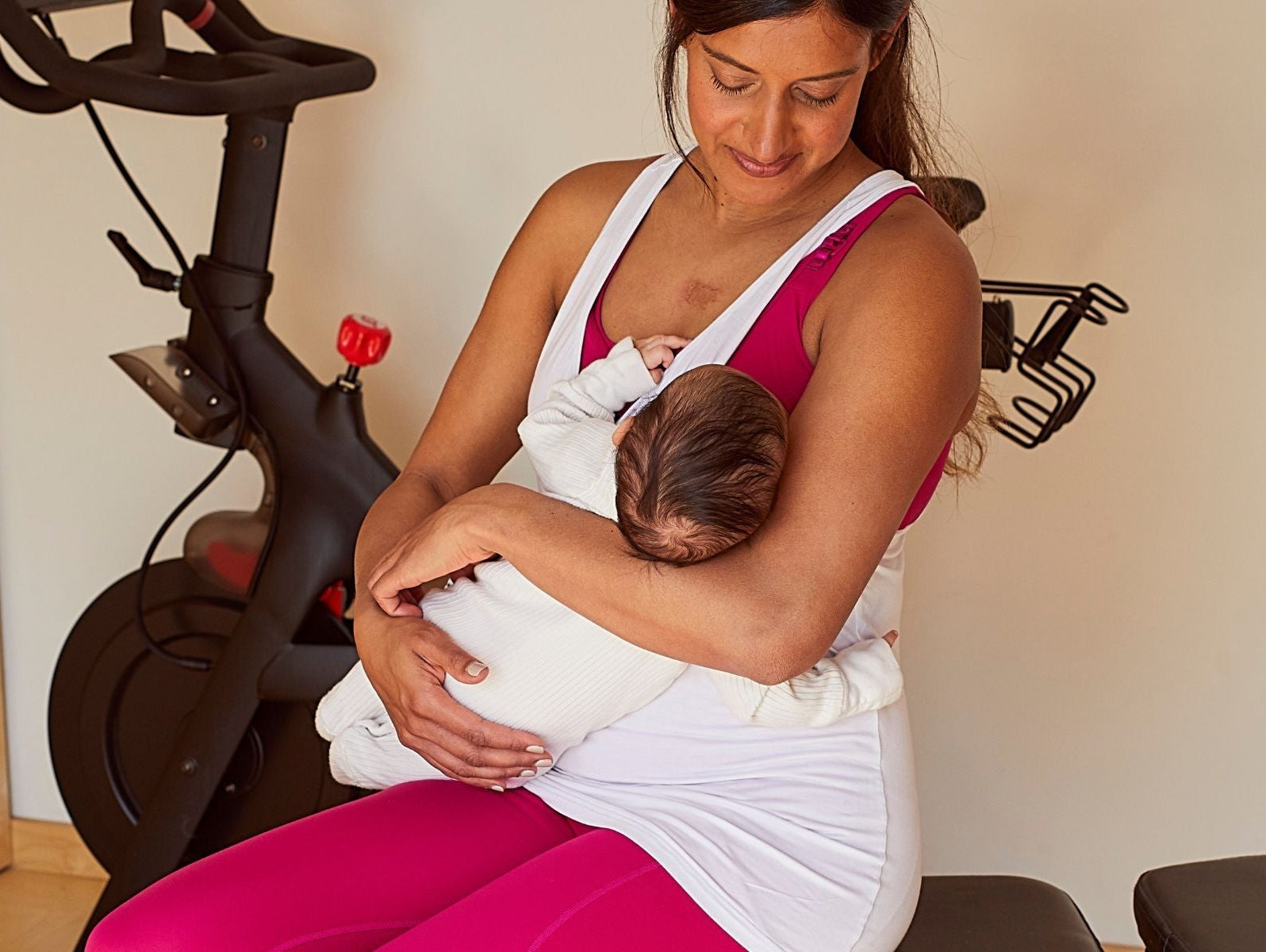
Breastfeeding provides your baby with everything they need nutritionally. Exercise, meanwhile, can help new mums rebuild strength, improve their mood and feel a little bit more like themselves again.
But many of us wonder whether the two can peacefully coexist.
Can you run while breastfeeding?
Will exercise affect your milk supply?
Should you feed before or after a workout?
And is your baby going to object to sweaty post-run milk?
Let’s look at what the research says – with a bit of reassurance for sleep-deprived mums trying to juggle feeding schedules, buggy runs and the occasional lukewarm cup of tea.
Can you exercise while breastfeeding?
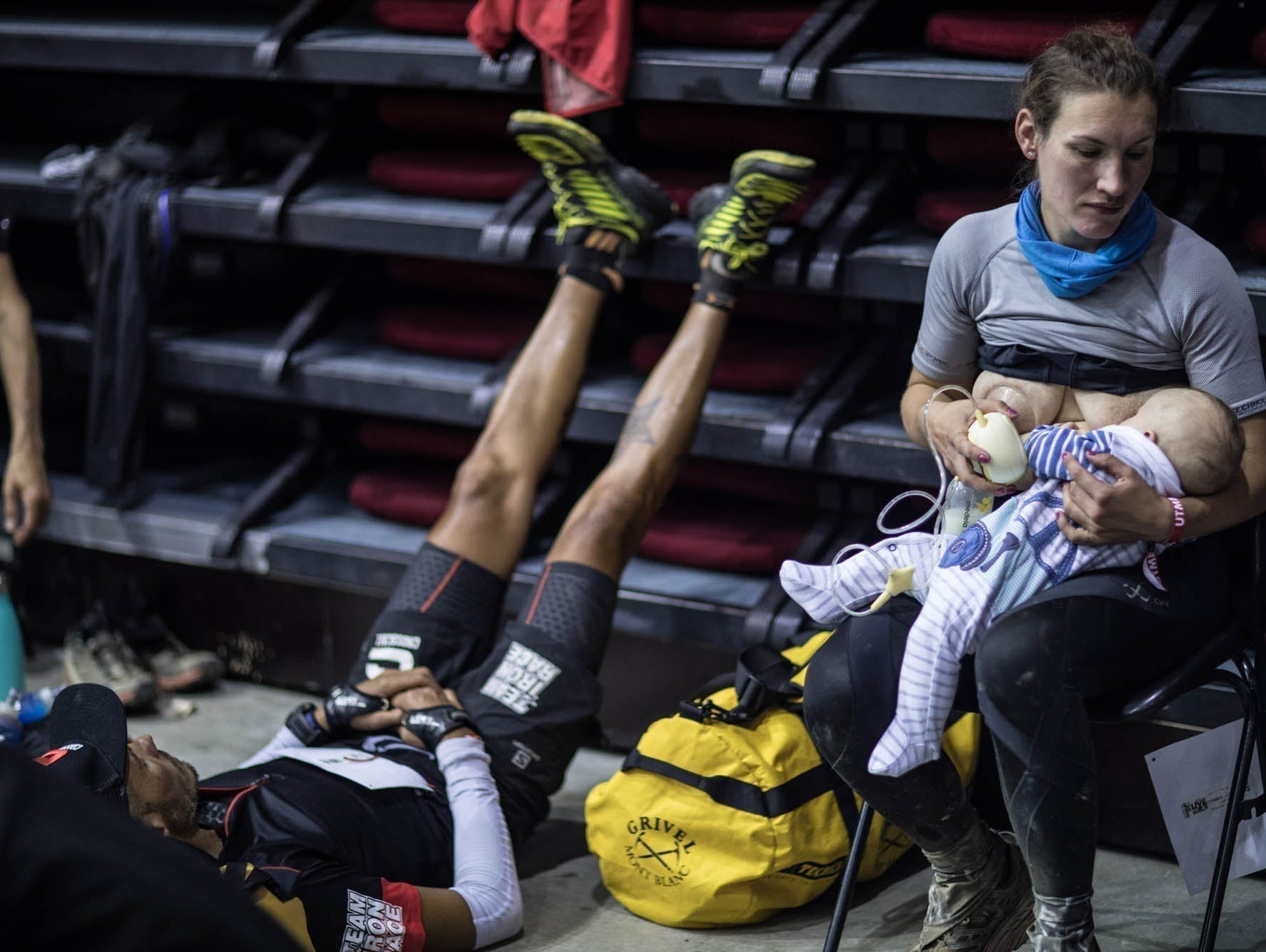
First things first, yes – most women can safely exercise while breastfeeding.
Moderate exercise does not reduce breast milk supply or change the nutritional value of breast milk, according to research.
In fact, breastfeeding mothers have been staying active for thousands of years. If you think about it, historically speaking, women did not get maternity leave, a yoga mat and a postnatal pilates class. They were farming, carrying water, walking miles and generally keeping entire households running while feeding babies.
So biologically, breastfeeding and physical activity are perfectly compatible.
The key is simply returning to exercise gradually after birth and listening to your body.
Some days that might mean a gentle walk with the pram, other days it might mean a run, and occasionally it might mean collapsing on the sofa while the baby contact naps.
Does exercise affect breast milk or milk supply?
Short answer: no.
Research consistently shows that exercise does not reduce milk production or affect milk quality.
A 2020 randomised clinical trial found that maternal exercise did not affect breast milk volume or its macronutrient composition.
In other words, your milk remains just as nutritious whether you have just finished a spin class or have spent the afternoon bouncing a baby while reheating the same cup of coffee three times.
But, there are a couple of small things worth knowing:
Some studies suggest very intense exercise may slightly increase lactic acid levels in breast milk. This is temporary and harmless, but a few babies may notice a subtle taste change.
Much more commonly, if a baby seems fussy after a workout it may simply because mum is a bit sweaty, their feed got delayed, or baby is being… well… a baby
If sweat is the culprit, a quick rinse or wiping your chest before feeding can solve the issue, but most mums report their baby happily feeds immediately after exercise with absolutely no complaints.
Can you run while breastfeeding?
Yes, but it's important to get the timing right.
Running is a high-impact activity, so firstly you should wait until your body has properly recovered after birth before returning to it.
General guidance for returning to exercise suggests gentle movement and walking can start as soon as you feel ready, you can return to light exercise after your 6-week postnatal check (with medical approval), but that high-impact exercise such as running should ideally wait until around 12 weeks postpartum.
Pregnancy places huge strain on the pelvic floor, core muscles and joints, so rebuilding strength first is essential.
Many postnatal running guidelines suggest gradually rebuilding fitness with walking, core and pelvic floor exercises, strength training and short run-walk intervals - regardless of whether you are breastfeeding or not.
Is it better to breastfeed before or after exercising?
Most mums find it more comfortable to feed or pump before exercising.
This helps because your breasts are less full during exercise so can work out without feeling like you are carrying two small water balloons on your chest, as well as reducing the chance of leaking when you really don't want it.
Feeding beforehand also avoids a long gap between feeds, but that said, if your baby needs feeding right after your workout, that is absolutely fine too. You’ll probably feed immediately and carry on with your day.
Will exercising make my baby refuse breast milk?
Almost always, no.
Despite occasional internet rumours suggesting otherwise, babies generally do not suddenly boycott the breast after mum exercises.
The only time babies might fuss is if they notice sweat on the skin, if feeding is delayed and they are starving or if they are tired, overstimulated or generally having a moment.
Which, to be fair, happens whether mum exercised or not.
If you are worried, feeding before exercise tends to prevent any issues entirely.

Do breastfeeding mums need to eat more if they exercise?
Quite possibly, yes.
Breastfeeding itself already burns around 300 additional calories per day, and adding exercise increases energy demands further and if you’re getting back in to your workouts you may well find yourself constantly hungry.
This is normal.
Your body is recovering from pregnancy and birth while producing milk, possibly surviving on broken sleep and now trying to power a workout. So fuelling properly matters.
Focus on balanced meals that include protein, complex carbohydrates, healthy fats and, of course, plenty of fluids
And if you suddenly find yourself eating toast at 10pm like it is the best meal you have ever had, welcome to breastfeeding.
What are the benefits of exercising while breastfeeding?
Exercise offers the same benefits during the breastfeeding period as it does at any other stage of life.
For new mums, those benefits can be especially valuable.
Regular physical activity can help:
• Strengthen abdominal muscles weakened during pregnancy
• Improve cardiovascular fitness
• Boost energy levels
• Support mental wellbeing
• Reduce symptoms of postnatal depression
• Improve sleep quality
• Provide a small pocket of time that belongs to you
For many mums, exercise is less about getting back into shape and more about reclaiming a sense of normality and independence. Even a short walk can do wonders.
What should you look for in a breastfeeding sports bra?
Your breasts often change significantly during pregnancy and breastfeeding, so the right sports bra becomes surprisingly important.
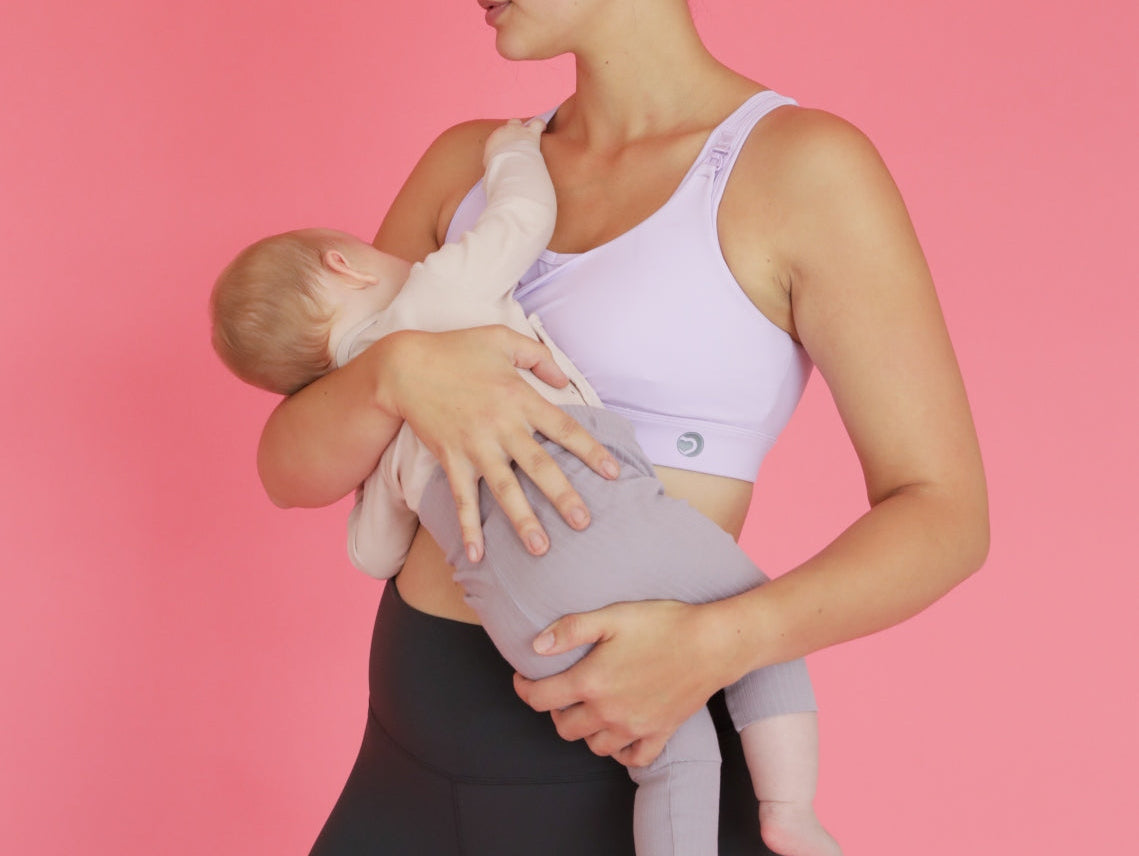
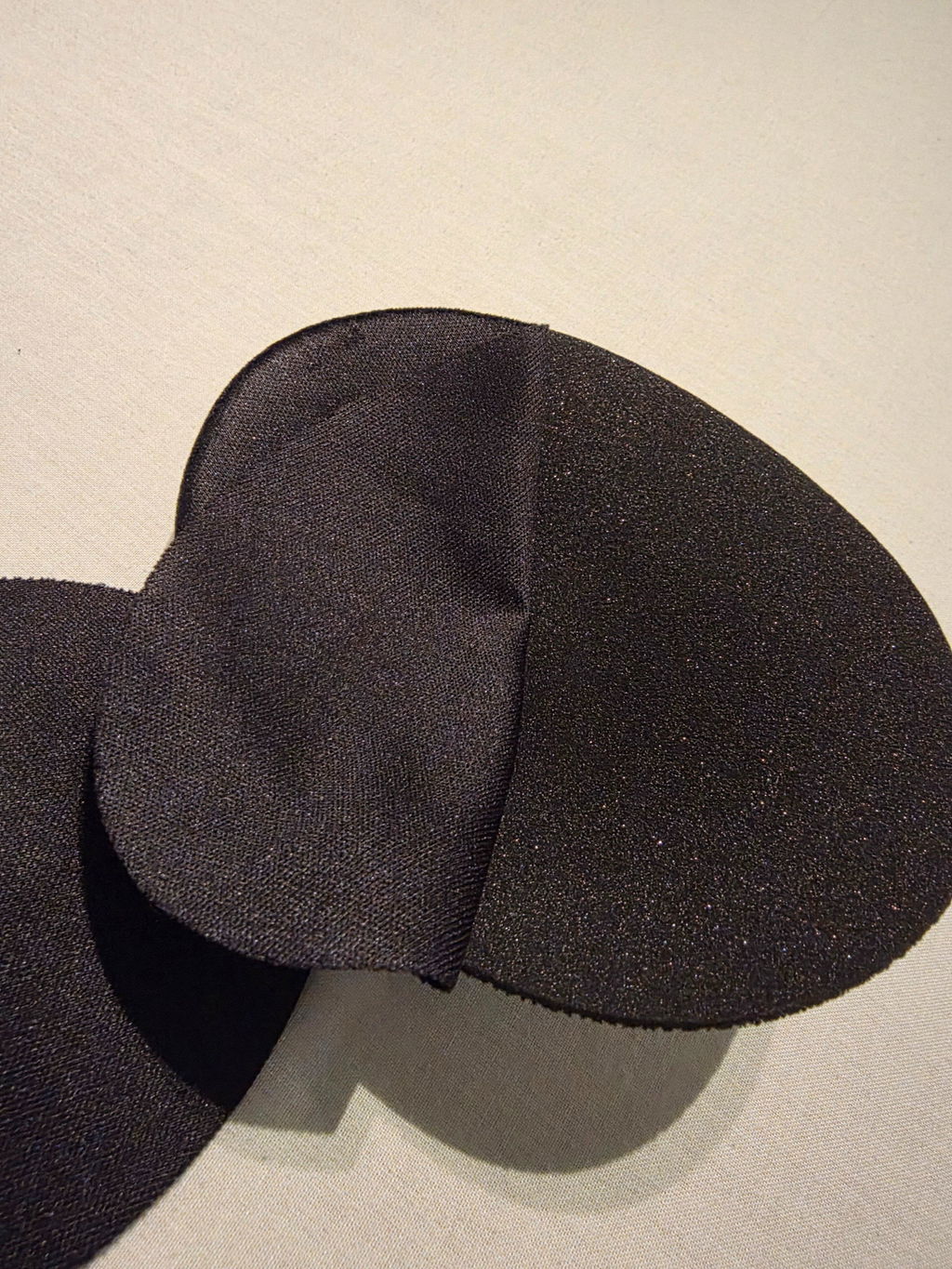
A good breastfeeding sports bra should provide proper support during movement, ideally have easy-open nursing clips, have the ability to adapt to fluctuating breast size, as well as be comfortable enough for both feeding and exercise
Many mums prefer sports bras designed specifically for maternity and breastfeeding, as they allow you to move seamlessly between feeding and working out. And of course the Natal Active sports bras are perfect for this!
Because stopping mid-run to wrestle with a complicated bra is nobody’s idea of fun.
Final thoughts
Breastfeeding and exercise absolutely can go together.
Once your body has recovered and you feel ready, staying active can support both your physical health and your mental wellbeing during the postpartum months.
Some days that might mean a gentle walk, other days it might mean a run. And some days it might mean doing absolutely nothing at all.
That is motherhood.
The most important thing is remembering that exercise should support your wellbeing, not add pressure.
Further resources
For more information about breastfeeding and exercise, you may find the following helpful:
Blossom Antenatal
La Leche League International
NHS Start for Life