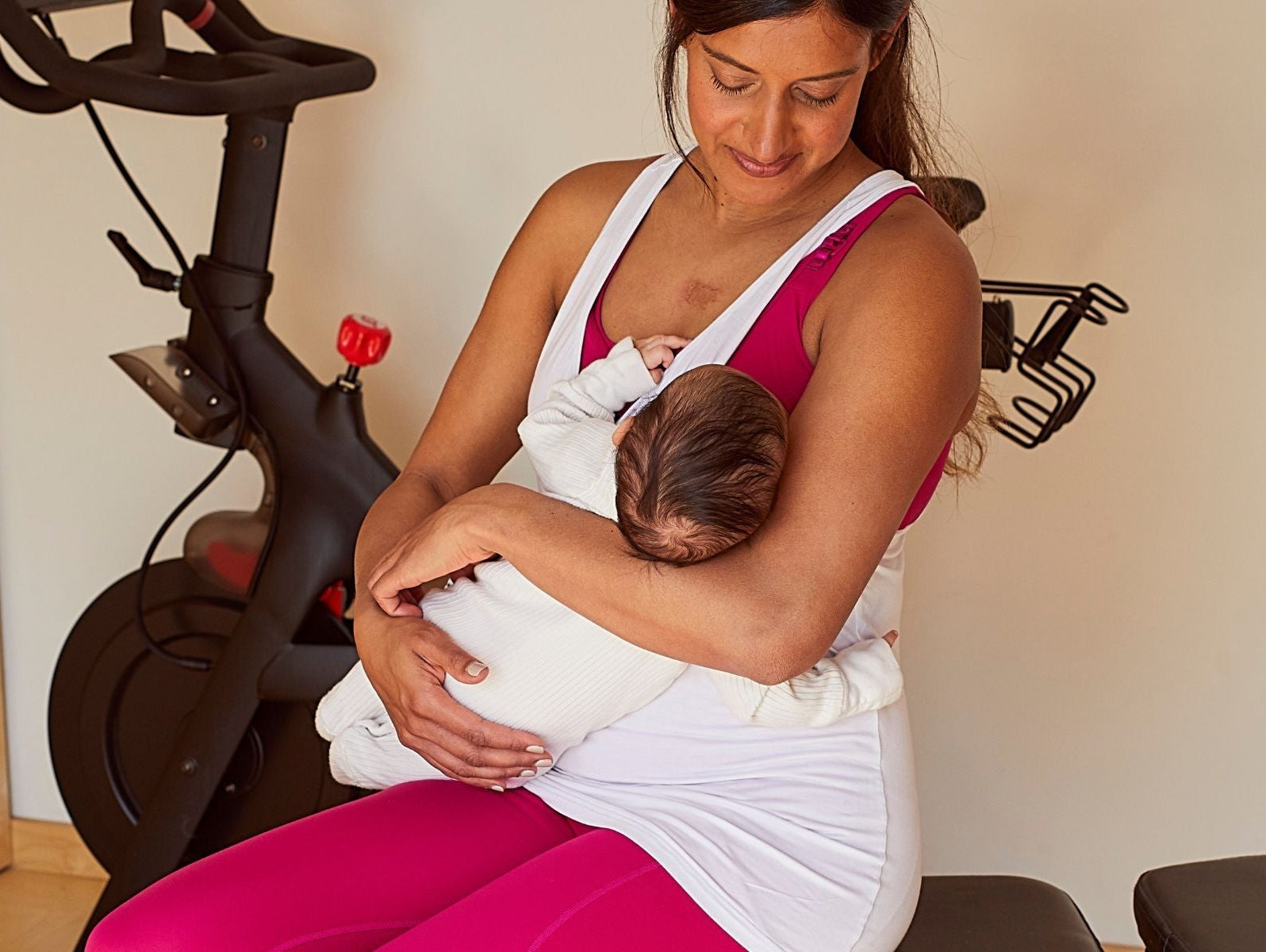
Why am I so tired in pregnancy? Pregnancy fatigue is caused by hormonal changes, increased blood volume, disrupted sleep, lower blood sugar, and the physical demands of growing a baby. Fatigue is most common in the first and third trimesters and is usually completely normal.
If you’re pregnant and wondering how you can feel this tired after a shower, a snack, and answering two emails… welcome. You’re not lazy. You’re not unfit. You’re not “doing pregnancy wrong”.
You’re growing an entire human. And that turns out to be quite energy-intensive.
Pregnancy fatigue is one of the most Googled (and most complained-about) symptoms, because it often hits hard and without warning. One minute you’re fine, the next you need a lie-down and a small emotional support biscuit.
Let’s break down why you’re so tired and what actually helps.
Why Pregnancy Makes You So Exhausted
Think about it like this, your body is quietly running an all-day construction project while you’re trying to live your normal life. You’re working hard, all the time, even when you don't realise.
Here’s what’s going on behind the scenes:
Your Hormones Are Working Against You
Progesterone - the hormone that helps support pregnancy - also has a sedative effect. Basically, your body is gently trying to tuck you in for a nap all day long.
You’re Making More Blood (Like… A Lot More)
Your body increases blood volume to supply the placenta and baby. This makes your heart work harder and uses more energy - even when you’re sitting still. Not only does this make you feel more tired, but its also why you might find yourself more breathless than usual when exercising - even in the earliest weeks of your pregnancy.

Your Blood Sugar and Blood Pressure Can Dip
Especially in early pregnancy, these dips can leave you feeling weak, shaky, or completely wiped.
Your Sleep Is Probably a Mess
Frequent wee trips, weird dreams, restless legs, heartburn, or just lying awake thinking about prams at 3am pregnancy sleep is… not great.
Mental Load Counts Too
You’re not just physically tired, you’re emotionally and mentally processing a huge life change. That uses energy, even if you haven’t left the sofa, without you even realising.
Things That Actually Help (Without Telling You to “Just Rest”)
Pregnancy fatigue can feel relentless, especially when it hits early and doesn’t match how much you feel you’ve actually done. Rest matters, but there are ways to feel a bit more human without becoming a full-time sloth. And, let’s face it, rest isn’t always the most practical answer if you’re trying to hold down a job or chase after a toddler.
1. Go for a Walk (Even When the Sofa Is Calling)
It sounds counter-intuitive when you’re already tired, but gentle movement is one of the most effective ways to lift pregnancy fatigue, especially when paired with comfortable, supportive clothing that adapts as your body changes.
Walking increases blood flow and oxygen delivery around your body, which helps your muscles and brain feel more awake. It also boosts endorphins - those “feel a bit more human” hormones. This isn’t about power walking or step counts. A slow, steady walk around the block, through a park, or even just to get a coffee counts. Many women find they come back with more energy than they left with - or at least sleep better later.
Start small. Ten minutes is fine. Its even recommended by the NHS so is practically doctors orders.
2. Nap, But Don’t Turn It Into a Full Hibernation
Short naps can be a game-changer, especially in the first and third trimesters. Even 20–30 minutes can help reset your energy levels without leaving you groggy or ruining nighttime sleep.
If naps aren’t possible, simply lying down with your feet up and eyes closed still gives your nervous system a break. Pregnancy is physically demanding in ways you don’t consciously feel, and your body genuinely benefits from proper pauses.
Think rest, not productivity guilt. If you struggle to switch off, pop in some noise cancelling headphones and play a relaxing podcast. No pressure to sleep, just listen. Personally I love ‘A Short History Of…’ with the relaxing voice of John Hopkins, but if a murder story is more your thing, well each to their own!
3. Eat Little and Often (Energy Crashes Are Real)
Long gaps between meals can cause blood sugar dips, which make fatigue feel suddenly overwhelming - that shaky, foggy, “I might cry” feeling. Eating smaller meals and snacks more frequently helps keep energy levels steadier throughout the day.
Aim for snacks that combine protein and carbs, for example yoghurt and fruit, toast with nut butter, or cheese and crackers. And yes, hydration matters too. Mild dehydration can make you feel far more tired than you realise.
No need for perfection — consistency helps more than “eating well”.
4. Try Gentle Exercise Beyond Walking
If walking doesn’t appeal, other low-impact movement can help in similar ways (or even high impact if that’s more your thing!). Prenatal yoga improves circulation and flexibility while helping calm the nervous system. Swimming is brilliant because the water supports your weight, often making you feel lighter and less fatigued afterwards, so is especially amazing as you get further along.
The key is choosing movement that leaves you feeling better, not drained. If you finish and feel wiped out, it was probably too much. Pregnancy exercise should feel supportive, not punishing.
Always check what’s suitable for your stage of pregnancy, if you weren’t a gym bunny before, probably don’t try and become one now and if you have any concerns about the activity you want to try, just double check with your doctor or midwife.
5. Lower the Bar (This Is a Big One)
A huge part of pregnancy fatigue comes from trying to keep life running exactly as it did before - same workload, same expectations, same pace and that’s rarely realistic, even if life does have to carry on.
This is a season where asking for help matters. Delegating jobs, letting things slide, or saying no more often reduces both physical and mental exhaustion. You’re not being dramatic, your body just needs to prioritise.
Energy saved is energy earned, so focus on the things you cant delegate and off load whatever you can.
When Tired Might Be Worth Flagging
Feeling tired is normal. Feeling completely wiped out all the time, dizzy, breathless, or unable to function even after rest isn’t something to ignore.
Low iron levels are common in pregnancy and can seriously worsen fatigue. If something feels off, it’s worth mentioning to your midwife or GP, even if you’re worried about sounding dramatic.
You’re allowed to ask and they should take your concerns seriously. It's especially tricky if it's your first pregnancy and you have no point of reference so don't be shy - they are there to help.
Final Reassurance
If pregnancy tiredness has knocked your confidence, here’s the truth:
You’re not lazy. You’re not unmotivated. And you’re not failing at pregnancy.
Your body is doing a huge amount of work behind the scenes and sometimes the most sensible thing you can do is go for a gentle walk, eat a snack, and then lie down without guilt. You’ll soon learn when to try and fight it and when to just give in to the feelings and let your body rest!
FREQUENTLY ASKED QUESTIONS IN BRIEF:
Is it normal to be exhausted in early pregnancy?
Yes. Fatigue is especially common in the first trimester due to hormonal changes and increased energy demands.
Is pregnancy fatigue worse at certain times of day?
Many women find fatigue is strongest in the afternoon or early evening due to blood sugar dips and accumulated energy demands.
When does pregnancy fatigue improve?
Many women feel an energy boost in the second trimester, with fatigue often returning in the third.
Does walking help pregnancy fatigue?
Gentle walking can improve circulation, mood, and sleep, which may help reduce fatigue.
When should I worry about pregnancy tiredness?
If fatigue is severe, persistent, or accompanied by dizziness or breathlessness, speak to your midwife or GP.